How To Build A Cheap And Beautiful Home Garden
Have you ever dreamed of stepping outside your home to enjoy a fresh burst of greenery, vibrant flowers, or even hand-picked vegetables, all without spending a fortune? The good news is, you don’t need a large space or deep pockets to create a garden that’s both beautiful and productive. With a bit of creativity, planning, and the right techniques, anyone can build a cheap and stunning home garden that thrives all year round.
A home garden is more than just decoration, it’s a living space that connects you with nature, reduces stress, and provides fresh, organic food right at your doorstep. In an age where food prices keep rising and people spend most of their time indoors or online, having a small patch of nature at home can improve your lifestyle, save money, and even promote better health. Whether you have a large backyard, a small balcony, or just a sunny corner by the window, your dream garden can become reality with a modest budget and a little effort.
This detailed article will walk you through everything you need to know to build a cheap and beautiful home garden; from planning and soil preparation to plant selection, design ideas, and maintenance. You’ll discover how to make the most of what you already have, reuse household materials, and create a garden that looks gorgeous without draining your wallet.
Whether you’re a beginner gardener or simply looking for affordable ways to beautify your home, this step-by-step article will help you create a relaxing, functional, and eye-catching garden space; one that reflects your personality and brings daily joy to your home.
Benefits Of A Cheap & Beautiful Garden
Before getting into how, let’s understand why a home garden is worth building, even on a tight budget:
- Food security & nutrition: A home garden lets you grow vegetables, herbs, and even fruits. You control what goes into the soil (organic compost, no harmful chemicals), which means healthier produce for you and your family.
- Savings over time: Instead of constantly buying vegetables, herbs, and leafy greens from the market, homegrown produce can save you money, especially when costs rise.
- Aesthetic appeal & mental wellbeing: A green, lush garden, even a small one, adds beauty to your home environment. Gardens reduce stress, offer a calming retreat, and increase overall home comfort.
- Sustainability & environment-friendliness: Using compost, recycling materials, and growing your own food reduces waste and dependency on commercial produce. It also promotes biodiversity.
- Flexibility & creativity: You can design the garden to suit your space (small yard, balcony, patio) and budget. There are many low-cost, creative ways to build a garden that looks beautiful yet remains affordable.
Given those benefits, a home garden isn’t just a luxury, for many people, it’s a smart, long-term investment.
Principles for a Budget-Friendly Garden: What Makes a Garden Cheap but Beautiful
To build a garden that doesn’t break the bank but still looks nice and is productive, there are certain guiding principles. Keep these in mind as you plan and build:
- Use what you already have / repurpose & upcycle– no need to buy expensive planters or garden furniture.
- Grow from seeds (or cuttings) instead of buying mature plants– seeds are far cheaper, and you can start many plants from a single packet.
- Start small and manageable, then expand gradually– don’t over-commit on space or resources at first; scale up as you gain experience.
- Focus on soil fertility and structure before anything else– good soil + compost + mulching → healthy plants. Spending money on soil once is better than repeatedly on fertilizers.
- Design for efficiency: sun exposure, layout, water access, maintenance ease– thoughtful planning reduces waste, maximizes yield, and keeps work minimal.
- Use space wisely; containers, vertical gardens, raised beds, square-foot gardens, etc. This allows gardening even with limited space (balcony, small yard).
With these principles, you can build a garden that’s inexpensive, beautiful, and productive.
Building Your Cheap & Beautiful Home Garden
Here’s a detailed, step-by-step walkthrough to set up your home garden; from planning to planting to long-term maintenance.
1. Planning & Preparation
a) Assess your space and resources
- Identify where in or around your home you can place a garden. This could be a small yard, a backyard corner, a balcony, veranda, or even a windowsill if space is very limited.
- Observe sunlight patterns, pick a spot that gets at least 5–6 hours of sunlight per day (many edible plants and veggies need this).
- Check available water access, either a water tap, bucket-watering system, or consistent rainfall.
- Inventory any existing materials you can reuse: old buckets, containers, wooden crates, pallets, discarded pots, old bricks, leftover soil, compost from kitchen waste, scrap wood, etc.
b) Define your garden’s purpose and goals
- Decide whether you want vegetables, herbs, ornamentals/flowers, or a mix.
- Think about what you and your household tend to eat. e.g. tomatoes, peppers, leafy greens, herbs (basil, mint, cilantro), root vegetables.
- Plan a garden size depending on resources, maybe start with a small patch (e.g. 4ft × 4ft, or even smaller) and expand later.
- Sketch a simple layout, even on paper, showing where each type of plant will go, considering sun direction, plant spacing, and access for watering/harvesting.
2. Choosing a Garden Method: Ground Bed, Raised Bed, Container, or Alternative
Depending on your soil quality, space, and how much effort you want to put in, you can choose one or a combination of these methods:
Option A: Traditional Ground Bed (in-ground garden)
- If you have decent soil and a patch of earth, you can dig and prepare a ground bed.
- Remove any existing lawn or weeds before planting.
- Prepare the soil thoroughly (see soil preparation below).
Option B: Raised Bed Garden
- Great if your soil is poor (rocky, clay, compacted) or if you want better drainage.
- You can build raised beds cheaply using reclaimed wood, bricks, stones, or even old containers. Many DIY-ers use pallets or leftover wood instead of buying new boards; saves a lot. (
- Raised beds also make gardening easier on the back and are more manageable especially if space is limited.
Option C: Container, Bucket, or Miscellaneous DIY Planters
- If you don’t have any ground space, e.g. you live in an apartment or have only a balcony, containers, buckets, crates, or even old buckets/plastic containers can work.
- Ensure each container has drainage holes. Use good potting mix or a mixture of soil + compost + perlite/vermiculite.
- Place containers where they receive adequate sunlight. Rotate them occasionally for uniform light exposure.
Option D: Alternative / Low-Cost Methods (e.g. No-dig, Mulching / Sheet Mulching)
- No-dig gardening: Instead of traditional digging/tilling, you simply lay down layers of organic material (cardboard/newspaper + compost/manure + mulch) on top of existing ground, this suppresses weeds, builds soil over time, and reduces labor.
- Sheet-mulching (a form of no-dig/lasagna gardening): Lay down a base of cardboard or newspaper to block weeds, then add compost or manure, and top with mulch such as straw/leaves/grass clippings. It gradually decomposes, creating fertile soil for planting.
If this is your first garden or if resources are limited, a raised bed or container garden or no-dig method are often the most budget-friendly and least risky.
3. Soil Preparation — The Foundation of a Healthy Garden
Good soil is arguably the most important ingredient for a successful garden. No matter how fancy your layout is, poor soil yields poor plants.
a) Test and loosen the soil (if using ground bed)
- If you dig, loosen the top layer (about 20–30 cm) to break up compact soil and improve drainage/air flow.
- Remove stones, roots, weeds, and debris.
b) Enrich the soil with compost / organic matter
- Use homemade compost (from kitchen scraps, fallen leaves, yard waste), manure (if available), or well-rotted organic matter. Compost adds nutrients, improves soil structure, and promotes healthy plant growth.
- Alternatively, for raised beds or container gardens, mix equal parts of garden soil, compost, and a soil-lightening component (perlite, vermiculite, sand) to ensure good drainage and root health.
c) Mulching / Weed control before planting
- Lay down a thick layer of mulch (straw, leaves, grass clippings, shredded paper/newspaper) before or right after planting. Mulch helps retain moisture, suppress weeds, and gradually adds organic matter as it decomposes.
- If you don’t want to dig, sheet-mulch as described earlier (cardboard/newspaper + compost + mulch) works well.
d) Watering & soil moisture management
- After soil prep and planting, water thoroughly. Over time, mulch reduces watering frequency by helping retain moisture.
- Try to water directly at the soil/roots — avoid wetting leaves too much (which can cause rot or fungal issues).
4. Plant Selection: What to Grow for High Value, Low Cost & Visual Appeal
Since your goal is a “cheap and beautiful” garden, you want plants that are affordable, easy to grow, productive, and also visually or functionally rewarding. Here are some categories and suggestions:
Vegetables & Edibles
- Leafy greens: lettuce, spinach, kale, swiss chard. These are fast-growing and don’t require deep soil.
- Herbs: basil, mint, cilantro, parsley, thyme, rosemary; herbs often take little space and can thrive even in containers.
- Root vegetables: carrots, radishes, beets; good for container or raised-bed gardens if soil is loose and well-drained.
- Staple crops: tomatoes, peppers, okra, eggplant (depending on climate), cucumbers, zucchini; if diseases/pests are manageable. These add both yield and lush appearance.
Flowers, Ornamentals & Aesthetic Plants
- Low-maintenance flowering plants (depending on climate): marigolds, herbs with pretty foliage, leafy ornamentals; these add color to the garden, make it visually appealing, and often have benefits (e.g. herbs can double as kitchen plants). Many inexpensive seed packs exist for such plants.
- Mix ornamentals with edibles: For example, intersperse herbs or flowers along vegetable rows, this not only looks good but can help attract beneficial insects (pollinators) if you plan for insect-friendly gardening.
What to Prefer (for budget & yield)
- Start from seeds (much cheaper than buying seedlings/mature plants).
- Use perennials or herbs where possible, they come back every year/have repeated yield, which gives more long-term value for the investment. This is more cost-efficient than buying annuals yearly.
5. Planting: Layout, Spacing, and Garden Design Tips
Design matters, a well-planned layout means better growth, easier maintenance, and a more beautiful garden. Here are layout and design ideas that are cheap but effective:
a) Use Garden Layout Principles
- For raised beds or ground beds: plant taller crops (e.g. tomato, pepper) at the northern or shady side (if in northern hemisphere; adjust accordingly), and shorter plants (leafy greens, herbs) on the southern side, this ensures all plants get enough sunlight.
- For small gardens, consider Square Foot Gardening (SFG): divide beds into 1-ft × 1-ft squares. Each square can host a few plants depending on size. This method maximizes yield on small spaces.
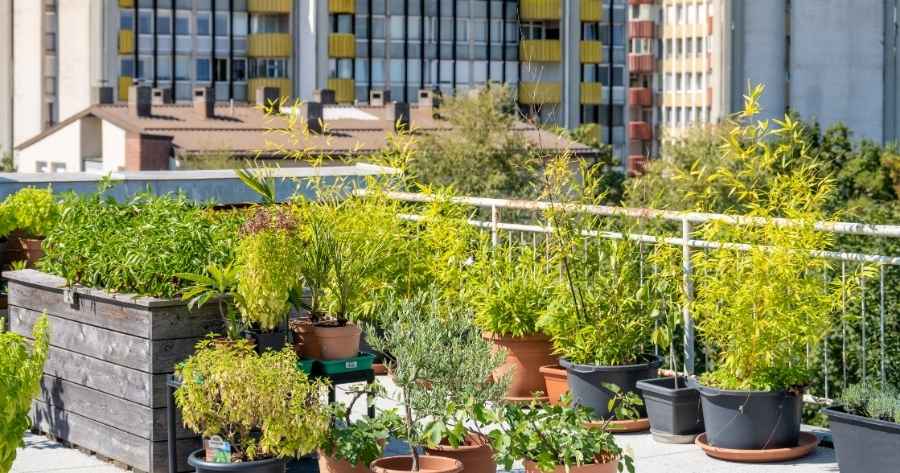
- For balconies or patios, use container gardening, hanging planters, or vertical gardening; especially useful if ground space is limited.
b) Use Pathways, Edging & Decorative Layout (if space permits)
- Use simple, inexpensive materials to create pathways or edging: old bricks, stones, gravel, wood offcuts, or even broken concrete/slabs, recycled materials save money and give a rustic feel. This adds structure and makes the garden look more organized and aesthetic. Many budget-garden hobbyists do this instead of buying expensive landscape materials.
- Combine edible plants with ornamentals/flowers to make the garden visually appealing, not just functional.
- Use container planters or raised beds with different heights; that variation provides depth and visual layering, which makes even a small garden look lush and full.
c) Stagger Planting & Succession Planting
- Instead of planting everything at once, stagger planting times, this ensures continuous harvest rather than a glut at once.
- For leaf vegetables, you can plant every few weeks to ensure you always have fresh leaves.
- For herbs and perennial plants, once established, they’ll continue producing for many months (or seasons), giving long-term yield.
6. Maintenance & Upkeep: How to Care for a Budget Garden Over Time
Building the garden is just the start, regular maintenance is crucial to keep it healthy, productive, and beautiful. Here’s how to manage upkeep without spending too much:
a) Watering & Moisture Control
- Water regularly, especially in dry or hot weather. Container gardens and raised beds dry faster, check soil frequently.
- Use mulch to reduce evaporation and retain moisture, mulch also suppresses weeds.
b) Weed Control
- Mulching, sheet-mulching, or no-dig beds help greatly in preventing weed growth.
- Remove weeds when they are small, weeding early prevents competition for nutrients and water.
c) Soil Fertility Maintenance
- Replenish compost annually (or more often if you use heavy-feeding plants). Kitchen waste, leaves, grass clippings can all be composted.
- Use organic compost or manure rather than chemical fertilizers to save money and maintain soil health long-term.
d) Pest & Disease Management (Budget-Friendly)
- Plant a mix of species (vegetables, herbs, flowers), diversity often reduces pests and diseases.
- Use natural or homemade pest deterrents (e.g. neem, soap sprays, insect-repellent plants) rather than expensive chemical pesticides.
- Remove diseased plants or badly affected parts early to prevent spread.
e) Seasonal Rotation & Planning
- At the end of one harvest season, plan for the next, maybe rotate crops (different vegetables/herbs), rest soil, add compost, rotate beds, this helps maintain soil health.
- If using containers or raised beds, refresh soil or top-up compost yearly.
Creative And Cheap Garden Ideas & Variations
If you want something a little more creative, unique, or tailored, here are additional ideas that combine beauty, budget, and function:
1. Vertical / Wall / Pallet Gardening
- Use old wooden pallets, shelves, or wall-mounted crates to grow vertical gardens, herbs, vines, small vegetables, and flowers. Great for limited space (balcony, small yard). This uses vertical space instead of ground space; efficient and creative.
- Upcycle scrap wood, old shelves, fences, zero or minimal cost.
2. Upcycled Containers & DIY Planters
- Use old buckets, plastic containers, crates, broken pots, buckets, old tires (if safe), old basins, etc. as planters. Make holes for drainage.
- Paint or decorate them for aesthetic appeal, you get a garden that’s functional and looks nice without spending much.
3. No-Dig / Sheet Mulch / Compost-Based Beds
- For those with poor soil, or people who don’t want to dig/till, use the no-dig method. Lay down cardboard/newspaper, add compost/manure, cover with mulch, after some time you’ll have a healthy planting bed.
- This method is especially useful for waste-reduction (reusing kitchen scraps, leaves, grass clippings) and building soil gradually without heavy labor.
4. Mixed-Use Garden: Edibles + Ornamentals + Herbs
- Combine vegetables, herbs, and flowers in the same garden, e.g. rows of veggies + border of herbs/flowers. This improves visual appeal and biodiversity.
- Use herbs and flowers as natural pest deterrents or companion plants (certain herbs attract pollinators or repel pests).
5. Succession & Companion Planting for Continuous Yield
- Plan in cycles: when one crop finishes, plant another. This ensures continuous harvest and efficient use of space.
- Use companion planting principles: some plants support or protect others (e.g. herbs next to vegetables), improving health and yield.
Sample Plan: Build a Small Cheap & Beautiful Garden
Here’s a sample plan you could implement starting this weekend (depending on your available space):
Phase 1 — Initial Setup (Weekend 1–2)
- Choose a location: e.g. a corner of your yard, or balcony space, or near a fence, where sunlight is available.
- Gather materials: collect old containers, plastic buckets, wooden pallets/crates, sacks, old bricks/stones, kitchen waste (for compost), leaves/grass clippings, soil (if you’ll use a raised bed or containers).
- Decide garden method: e.g. build a small raised bed using reclaimed wood or bricks/ stones (or use containers/pots if no ground space).
- Prepare soil mix (for raised bed/containers): mix compost + garden soil + perlite/vermiculite or sand (if drainage is an issue). Alternatively, begin composting kitchen waste & leaves to build organic compost.
Phase 2 — Planting (After soil ready)
- Sow seeds: Start easy seeds like lettuce, spinach, herbs (basil, mint, cilantro), maybe peppers or tomatoes (depending on container size and sun). Seeds are cheap and give high yield over time.
- Mulch and water: After planting, mulch around plants, water thoroughly. Then set a watering schedule (depending on local climate, more frequent if hot/dry).
Phase 3 — Maintenance & Care (Ongoing)
- Weeding & watering: Check garden weekly, pull early weeds, water as needed. Mulch helps reduce both.
- Compost & fertilise: Add compost yearly (or more often) to keep soil fertile. Kitchen waste, leaves, yard trimmings all work.
- Harvest and re-plant: Harvest herbs, leafy greens, vegetables as they mature. Re-sow seeds or plant new batches to keep garden productive.
- Expand gradually: As you gain confidence and stock resources (compost, containers, seeds), you can build more beds, add vertical planters, or expand garden area.
Common Mistakes to Avoid & How to Save Money While Doing It
Building a cheap garden doesn’t mean cutting corners blindly, there are common pitfalls. Here’s what to watch out for, and how to avoid them:
- Mistake: Starting with too large a garden – leads to overwork, poor maintenance, wasted resources. Solution: start small, manageable, then expand gradually.
- Mistake: Ignoring soil health, using poor soil or no compost – leads to weak plants and low yield. Solution: prioritize compost, organic matter, good soil mix.
- Mistake: Over-watering or under-watering – both kill plants. Solution: monitor soil moisture, mulch, water at roots, adjust watering frequency according to weather.
- Mistake: Buying expensive planters / fancy garden materials unnecessarily – destroys the purpose of a “cheap” garden. Solution: upcycle, reuse, improvise with what you have.
- Mistake: Planting without planning for sun, spacing, maintenance – leads to overcrowding, shading, poor yields. Solution: layout planning, spacing according to plant needs, stagger planting, rotate crops.
- Mistake: Giving up too early – gardening takes patience. Solution: commit to regular care (even small weekly maintenance), treat garden as ongoing project, learn and adapt.
Why a Cheap Garden Can Be as Beautiful (or More) Than Expensive Ones
There’s a misconception that for a garden to look nice, you need fancy materials, expensive planters, professional landscaping. But with thoughtful design and care, a budget garden can look homey, lush, charming, often more alive and personal than a polished, expensive but sterile lawn. Here’s why:
- Natural materials and upcycled items give character – worn wood, old containers, recycled bricks, simple stone paths — all give a rustic, cozy feel rather than a sterile “perfect” look.
- Diversity of plants (vegetables, herbs, flowers) produces texture and color – greens, earthy tones, bursts of flowers, herbs — more interesting than uniform lawns.
- Organic soil, compost, mulch – healthy soil = healthy plants – thriving plants look better than any fancy decoration.
- Human touch & care make the garden alive – watering, weeding, harvesting, replanting, the garden evolves, adapts, and becomes part of your home lifestyle.
- Flexibility & scaling over time – you can improve and beautify step by step, depending on time, resources, and creativity. Over time, a cheap garden might become more impressive than a high-budget garden built once and neglected.
Tips for Busy People or Those With Limited Space/Budget (like First-Time Gardeners)
Given that many people have busy lives or limited space, here are practical tips to make gardening feasible and sustainable:
- Start small – a few pots, a small raised bed, or even a windowsill herb garden is enough. No need for a full-scale garden from day one.
- Use “set-and-forget” techniques where possible – mulch to reduce weeds, drip or deep watering rather than frequent shallow watering, compost your kitchen waste for fertilizer rather than buying synthetic fertilizers.
- Grow low-maintenance plants first – herbs, leafy greens, hardy vegetables, avoid very high-maintenance or picky crops.
- Schedule regular but short maintenance times – a little weeding, watering, harvesting every few days or weekly is better than a big but rare cleanup.
- Make it functional and rewarding – easy wins – growing herbs you actually use in cooking, veggies for daily meals – the yield gives motivation to continue.
- Combine utility + beauty – don’t just plant edibles; add herbs and flowers for color, fragrance; use interesting containers, paint old pots; mix ornamentals with veggies.
Frequently Asked Questions (FAQ)
How can I start a home garden with little or no money?
You can start a home garden with almost no money by using recycled containers like old buckets, plastic bottles, or wooden crates as planters. Collect seeds from kitchen vegetables (like tomatoes or peppers), make your own compost from food scraps, and use free natural mulch such as dry leaves or grass. With creativity and consistency, your garden can thrive beautifully without any major expenses.
What are the easiest plants to grow in a home garden?
If you’re a beginner, start with low-maintenance plants such as spinach, lettuce, mint, basil, peppers, and tomatoes. These plants grow fast, require minimal care, and can thrive in small spaces or containers. Herbs like mint and basil also add fragrance and beauty to your garden while saving you money on groceries.
How can I make my garden look beautiful on a budget?
To create a beautiful garden on a budget, focus on design and creativity rather than spending money. Mix colorful flowers with edible plants, paint old containers for a decorative look, use stones or bricks for edging, and include vertical or hanging gardens. Proper plant arrangement, spacing, and the use of natural materials can transform a simple setup into an eye-catching garden.
How do I maintain a cheap garden and keep plants healthy?
Regular maintenance doesn’t have to be costly. Water your plants early in the morning or late in the evening to conserve water, mulch your soil to retain moisture, and use compost instead of chemical fertilizers. Remove weeds when they’re small, rotate your crops each season, and keep an eye out for pests, organic pest sprays made from neem or garlic can help naturally protect your plants.
Can I build a home garden in a small space or apartment?
Yes! Even with limited space, you can create a stunning small home garden using containers, hanging planters, or wall-mounted shelves. Balcony and vertical gardening are perfect for apartment dwellers, they maximize space, improve air quality, and bring nature closer to your home. All you need is sunlight, creativity, and a few recycled materials to get started.
Conclusion
Building a beautiful, productive home garden doesn’t require a big budget or professional help. With some planning, resourcefulness, and regular care, you can start a garden that:
- feeds you and your family,
- beautifies your home,
- supports sustainability,
- and gives satisfaction and joy.
Whether you start with a few pots on your balcony, a small raised bed in your backyard.