How to Make Natural Fertilizer at Home
If you’ve ever wondered what to do with your kitchen scraps or yard waste instead of throwing them away, here’s the good news: those everyday leftovers can be turned into powerful, organic, and free fertilizer for your garden. Making natural fertilizer at home not only saves money but also helps your plants grow stronger, healthier, and more productive, without relying on harmful chemical products.
Whether you live in a big house with a backyard or a small apartment with a few pots, you can make natural fertilizer easily using common materials like fruit peels, eggshells, vegetable waste, and even banana water. It’s eco-friendly, affordable, and incredibly rewarding to see your plants thrive with something you created yourself.
In this detailed article, you’ll learn how to make natural fertilizers at home, the different types you can prepare (liquid, compost, powder, or mix), and how to apply them safely for maximum plant growth. Let’s turn waste into wealth, right in your own home.
Natural Fertilizer Over Chemical Ones
Before we go into the recipes and DIY methods, it’s important to know why natural fertilizers are better options for your plants and the environment.
1. They Improve Soil Health Long-Term
When you use chemical fertilizers, you’re feeding the plant directly but not the soil. Over time, the soil becomes compacted, acidic, and lifeless. Natural fertilizers, however, do the exact opposite, they feed the soil itself, allowing it to stay alive, fertile, and productive for years to come.
Natural fertilizers like compost, manure, and organic teas increase the organic matter in your soil. This makes the soil soft, porous, and full of beneficial microorganisms such as fungi and bacteria that naturally break down nutrients into forms plants can absorb easily.
Over time, your soil becomes a self-sustaining ecosystem; earthworms thrive, root systems grow deeper, and water retention improves. Unlike chemical fertilizers that wash away after each rain, organic matter builds up, creating nutrient reservoirs that continuously nourish your plants.
Benefits:
- Improves soil structure and aeration.
- Enhances water-holding capacity, reducing the need for frequent watering.
- Encourages beneficial soil life that fights harmful pathogens naturally.
- Reduces long-term dependency on fertilizers; the soil becomes naturally fertile.
In short, natural fertilizers don’t just help your garden today, they build a foundation for healthier plants and richer soil for years to come.
2. They’re Eco-Friendly and Safe
Chemical fertilizers may seem convenient, but they often contain salts and synthetic compounds that contaminate groundwater, rivers, and even the food you grow. When rain washes these chemicals away, they pollute nearby ecosystems and destroy beneficial insects and microorganisms.
In contrast, natural fertilizers are environmentally friendly. They’re made from biodegradable, non-toxic materials that decompose safely and enrich the earth. There’s no harmful chemical runoff, and you don’t risk damaging the delicate balance of your garden’s ecosystem.
Using natural fertilizer also means your vegetables and herbs are truly organic and safe to eat. You’re protecting not only your plants but also your family’s health and the planet.
Eco-Friendly Highlights:
- No chemical pollution or toxic runoff.
- Safe for pollinators like bees and butterflies.
- Reduces landfill waste by reusing organic materials.
- Helps combat climate change by storing carbon in the soil.
So when you use kitchen waste instead of synthetic fertilizer, you’re not just gardening, you’re practicing sustainability.
3. They Save You Money
One of the best reasons to switch to natural fertilizer is how cost-effective it is. Store-bought chemical fertilizers can be expensive, especially if you maintain a large garden or multiple potted plants.
With natural fertilizers, you can make powerful plant food using materials you already have at home, banana peels, eggshells, vegetable scraps, and grass clippings. Even if you buy compost bins or organic additives once, they last for years.
Practical Example:
- A single bunch of banana peels can replace potassium fertilizers worth thousands over time.
- Eggshells from your breakfast can provide calcium that commercial fertilizers charge heavily for.
Money-Saving Advantages:
- Uses free materials you’d normally throw away.
- Reduces the need for expensive chemical fertilizers.
- Produces long-term benefits, fertile soil means fewer products needed later.
- Encourages self-sufficiency, your garden becomes its own fertilizer factory.
In essence, natural fertilizers turn everyday waste into lasting value, an unbeatable deal for any gardener.
4. They Provide Balanced and Gentle Nutrition
Chemical fertilizers are like energy drinks for plants, they give an instant boost but can cause burnout. They often overload the soil with one nutrient (usually nitrogen), which leads to fast growth but weak roots and poor fruiting.
Natural fertilizers, however, release nutrients slowly and steadily. This ensures that plants receive the right balance of essential minerals, nitrogen (N), phosphorus (P), potassium (K), calcium, magnesium, and trace elements, without being “shocked.”
Compost and other organic fertilizers feed both the plant and the soil microbes, creating a continuous nutrient cycle. This prevents nutrient leaching and reduces the risk of fertilizer burn; a common problem with synthetics.
Balanced Nutrition Benefits:
- Promotes steady growth and stronger roots.
- Improves plant immunity and resilience to drought or disease.
- Enhances flowering and fruiting naturally.
- Encourages healthier soil pH over time.
Your plants won’t just grow; they’ll thrive, with deeper colors, stronger stems, and richer harvests.
5. They Encourage a Sustainable Gardening Lifestyle
Choosing natural fertilizers is a big step toward eco-conscious living. It connects you with nature and teaches the value of recycling and sustainability. Instead of buying products wrapped in plastic or shipped from far away, you repurpose what you already have at home.
Every peel, shell, or leaf becomes part of a natural loop, reducing waste while enriching the earth. This circular approach helps minimize your carbon footprint and fosters an eco-friendly mindset for future generations.
Sustainability Impact:
- Promotes zero-waste gardening.
- Reduces plastic and packaging waste from store-bought fertilizers.
- Encourages home composting and waste segregation.
- Builds awareness about soil conservation and eco-friendly habits.
A garden grown with natural fertilizer isn’t just healthy, it’s a living example of harmony between humans and the environment.
Natural fertilizers are more than a gardening technique, they’re a philosophy of nurturing the soil instead of depleting it. By improving soil health, protecting the environment, saving money, providing balanced nutrients, and encouraging sustainable living, they represent the future of gardening.
Every time you compost a banana peel, save your eggshells, or water your plants with rice water, you’re contributing to a greener planet and a more productive garden. It’s simple, affordable, and powerful, proof that true growth starts from the ground up. Natural Fertilizers Feed the Earth, Not Just the Plants.
Types of Natural Fertilizers You Can Make at Home
Different plants benefit from different nutrients. Depending on your available materials, you can create several kinds of natural fertilizers to meet your garden’s needs.
1. Compost Fertilizer (The Ultimate All-Purpose Option)
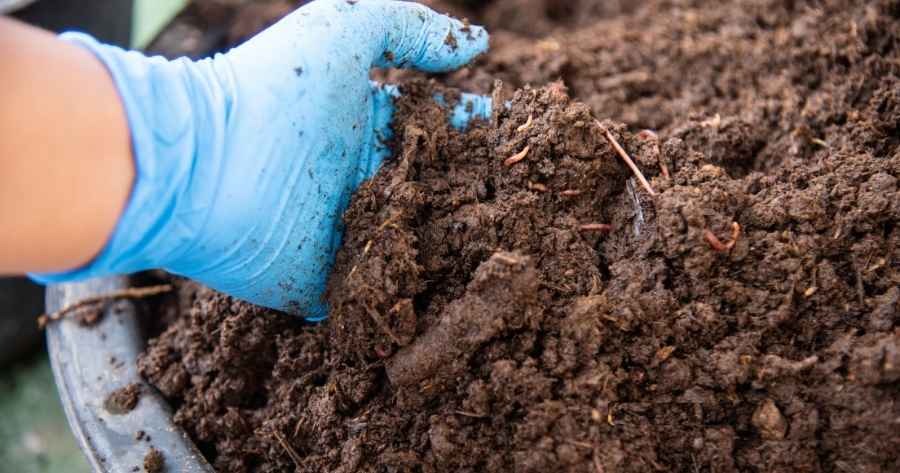
Compost is the “king” of natural fertilizers. It’s made by decomposing organic materials like food scraps, leaves, and garden waste into nutrient-rich soil.
How to Make It:
- Choose a compost bin or a simple pit in your backyard.
- Add a mix of green materials (fruit scraps, vegetable peels, grass clippings) and brown materials (dry leaves, shredded paper, cardboard).
- Keep the pile moist; like a damp sponge, and turn it weekly for aeration.
- In 4–6 weeks, it turns dark and crumbly, your homemade compost is ready!
Benefits:
- Adds nitrogen, phosphorus, and potassium naturally.
- Improves soil texture and water retention.
- Boosts beneficial microbes in the soil.
2. Banana Peel Fertilizer (Potassium Booster)
Banana peels are rich in potassium, calcium, and magnesium, all essential for flower and fruit growth.
How to Make:
- Method 1: Chop banana peels, dry them, and grind into powder. Mix the powder into soil or compost.
- Method 2: Soak banana peels in water for 2–3 days. Use this banana peel tea to water your plants.
Best For: Flowering plants, fruiting crops (tomatoes, peppers, cucumbers).
3. Eggshell Fertilizer (Calcium Source)
Eggshells are packed with calcium, which helps strengthen plant cell walls and prevents blossom-end rot in tomatoes and peppers.
How to Make:
- Wash and dry used eggshells.
- Crush or grind them into fine powder.
- Mix directly into the soil or compost, or sprinkle around the base of plants.
Add a few crushed shells into your watering can, the calcium slowly releases into the water.
4. Rice Water Fertilizer (Instant Nutrient Boost)
When you wash or boil rice, the leftover water contains trace minerals and carbohydrates that benefit plant roots and microbial life.
How to Use:
- Allow rice water to cool.
- Water your plants once or twice weekly with it.
Don’t store it for more than two days, it can ferment and smell bad.
5. Compost Tea (Liquid Gold for Plants)
Compost tea is a nutrient-dense liquid made from soaking compost in water, then using the strained solution to feed plants.
How to Make:
- Fill a bucket with one part compost and three parts water.
- Let it steep for 24–48 hours, stirring occasionally.
- Strain and dilute (1 part tea : 2 parts water).
- Water your plants or spray on leaves.
Benefits:
- Immediate nutrient absorption.
- Promotes healthy leaf and root growth.
6. Fish Tank Water Fertilizer
If you have an aquarium, don’t waste the dirty water, it’s rich in nitrogen and beneficial microorganisms.
How to Use:
- Use it to water your garden or potted plants once every 2–3 weeks.
- Avoid overuse, the nitrogen can build up if not diluted.
7. Wood Ash Fertilizer (Natural Potash)
Ash from untreated wood (like firewood or charcoal) is a great source of potassium and calcium carbonate.
How to Use:
- Mix small amounts into compost or sprinkle lightly on soil.
- Avoid adding to acid-loving plants like blueberries or roses.
Homemade Liquid Fertilizer Recipes
Liquid fertilizers are great for quick feeding, especially for container or indoor plants. Here are three easy recipes you can make in under an hour.
1. Vegetable Scrap Liquid Fertilizer
Ingredients:
- Mixed vegetable peels (carrot, spinach, potato, cucumber, etc.)
- 1 liter of water
Instructions:
- Blend scraps and water until smooth.
- Strain and dilute with an extra liter of water.
- Use to water plants once weekly.
Nutrient Focus: Nitrogen, phosphorus, and potassium.
2. Epsom Salt Fertilizer
Epsom salt provides magnesium and sulfur; perfect for leafy greens and houseplants.
Mix:
- 1 tablespoon of Epsom salt per liter of water.
- Spray or pour at plant roots every two weeks.
3. Aloe Vera and Neem Fertilizer
Aloe vera boosts root health and immunity, while neem acts as a natural pesticide.
How to Make:
- Blend one aloe leaf with 1 tablespoon of neem oil and 2 liters of water.
- Spray on leaves or around soil.
How To Apply Homemade Fertilizers Correctly
Making your own fertilizer is a wonderful step toward organic gardening, but how and when you apply it determines whether your plants truly benefit or struggle. Even the best natural fertilizers can be wasted or harm plants if applied incorrectly. This section explains how to use homemade fertilizers the right way, including timing, dosage, and application techniques to help your plants grow stronger, healthier, and more productive.
Before applying any fertilizer, it’s important to know what your plants need and when they need it.
- Leafy vegetables like spinach, lettuce, and kale require more nitrogen to grow lush green leaves.
- Flowering and fruiting plants like tomatoes, peppers, and hibiscus need more phosphorus and potassium.
- Root crops like carrots, beets, and potatoes prefer balanced fertilizers that promote root strength.
When you know these needs, it helps you choose whether to use compost, banana peel water, eggshell powder, or another homemade mix. It also prevents nutrient imbalance, too much of one element can stunt other growth processes.
Tip: Observe your plants closely.
- Pale or yellow leaves = nitrogen deficiency.
- Weak flowering or fruiting = lack of potassium or phosphorus.
- Curling leaves or brittle stems = calcium or magnesium deficiency.
Always Water Before Fertilizing
This is one of the golden rules of gardening. Applying fertilizer to dry soil can burn roots and stress the plant. When you water first, the soil softens, nutrients distribute evenly, and absorption improves.
- For solid fertilizers (like compost or powder): water lightly before application.
- For liquid fertilizers (like compost tea or banana peel water): water deeply the day before, then apply the fertilizer the next morning or evening. Water creates channels in the soil that allow nutrients to move freely toward the roots. It also prevents concentrated fertilizer from sitting directly on the roots, which could cause damage.
Apply During the Right Time of Day
Timing matters just as much as technique. The best time to apply fertilize, whether solid or liquid, is early in the morning or late in the evening, when temperatures are cool and evaporation is low.
Avoid applying fertilizer under harsh midday sunlight because:
- Heat causes liquid fertilizers to evaporate quickly.
- Direct sun can “cook” wet leaves and cause burns.
- Nutrients don’t absorb well when soil is hot and dry.
Morning and evening feedings allow plants to absorb nutrients overnight or during the early cool hours, maximizing effectiveness.
Choose the Right Application Method
Different types of homemade fertilizers require different approaches. Here’s how to apply each effectively:
A. Solid Fertilizers (Compost, Eggshell Powder, Wood Ash, etc.)
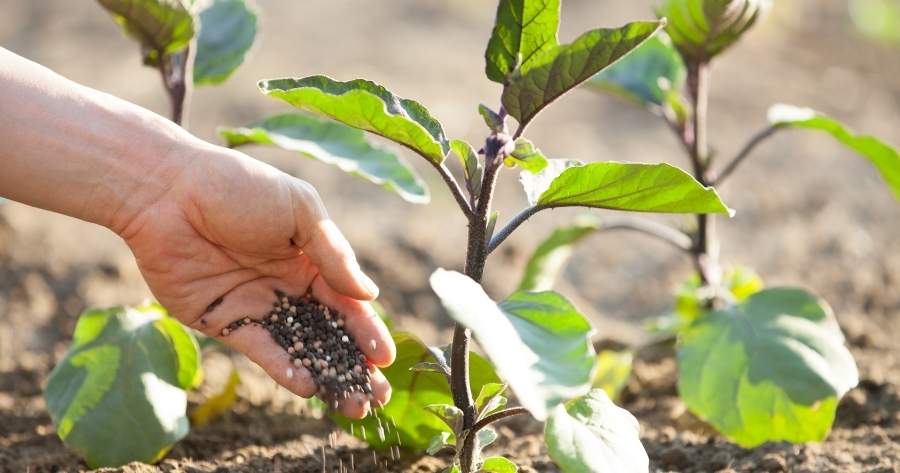
- Spread evenly around the base of the plant, avoiding direct contact with stems.
- Lightly mix the fertilizer into the top 2–3 inches of soil using a small rake or your hands.
- Water gently afterward to help nutrients start dissolving.
Frequency: Once every 3–4 weeks is usually enough for most plants.
B. Liquid Fertilizers (Compost Tea, Banana Peel Water, Rice Water, etc.)
- Pour or spray around the root zone, not directly on the leaves (unless it’s a foliar spray).
- For foliar application (spraying on leaves), use a fine mist sprayer and apply early morning or sunset.
- Dilute concentrated solutions, usually 1 part fertilizer to 2–3 parts water, to prevent overfeeding.
Frequency: Once every 10–15 days during active growth seasons (spring and summer).
Start with Small Quantities
When applying homemade fertilizers for the first time, it’s best to start small and observe. Each soil type and plant reacts differently.
- Begin with half the usual amount.
- Watch your plants for 7–10 days.
- If they respond positively; greener leaves, stronger growth, gradually increase to full strength.
Signs of over-fertilization include leaf burn, yellowing tips, and white crusts forming on soil. Remember: natural fertilizers work slowly, so patience always pays off.
Apply Consistently, Not Excessively
It’s tempting to feed your plants more often, thinking it’ll make them grow faster. But with fertilizer, even natural types, more is not always better.
Plants prefer regular, moderate feeding to constant heavy doses. Nutrients from organic matter release slowly, so giving time between applications allows plants to absorb everything fully before adding more.
Suggested schedule:
- Compost or powdered fertilizer: once monthly.
- Liquid fertilizers: every 2–3 weeks.
- Heavy-feeding plants (tomatoes, peppers, etc.): every 10 days.
Keeping a simple feeding calendar helps maintain healthy, balanced growth all year.
Match Fertilizer Type to Growth Stage
Each stage of a plant’s life requires different nutrients. Using the right fertilizer at the right time ensures optimal results.
| Growth Stage | Nutrient Needed Most | Best Homemade Fertilizer |
|---|---|---|
| Seedling | Nitrogen | Diluted compost tea, rice water |
| Leaf growth | Nitrogen, magnesium | Epsom salt mix, vegetable scrap tea |
| Flowering & fruiting | Phosphorus, potassium | Banana peel tea, bone meal, wood ash |
| Maintenance (mature plants) | Balanced nutrients | Compost, eggshell powder, liquid fertilizer rotation |
This strategy avoids deficiencies and ensures plants receive exactly what they need when they need it.
Don’t Forget to Mulch After Fertilizing
After applying fertilizer, adding a thin layer of mulch (dry leaves, grass clippings, sawdust, or straw) over the soil helps protect nutrients and lock in moisture.
Mulching keeps the soil cool, prevents nutrient loss from sun exposure, and supports beneficial microbes that help break down organic fertilizers faster.
It also makes your garden look neat while reducing weeds, a bonus for every gardener!
Observe and Adjust Regularly
Gardening isn’t a one-size-fits-all activity. Even with perfect fertilizer recipes, observation is your best tool. Monitor your plants weekly, check for leaf color, texture, and flowering patterns.
If growth slows or leaves yellow, tweak your fertilizer mix or frequency. Sometimes plants need a bit more nitrogen or a rest period with just plain water.
Remember:
- Healthy plants have vibrant color, firm stems, and active new growth.
- Overfed plants often show burnt leaf edges or stunted growth.
Keep a simple journal or notes on what you feed and when. Over time, you’ll learn exactly what each plant prefers.
Sustainable Gardening Tips For Using Natural Fertilizer
- Compost All Year Round: Always keep a small compost bin active, it’s the heart of a natural garden.
- Rotate Fertilizers: Alternate between compost tea, banana peel water, and eggshell powder for balanced nutrition.
- Reuse Everything: From kitchen waste to yard clippings, nothing organic should go to waste.
- Observe Your Plants: Yellow leaves might mean nitrogen deficiency; poor flowering can mean lack of potassium. Adjust fertilizer accordingly.
- Pair with Mulching: Natural mulch (dry leaves, grass) helps retain nutrients longer.
What To Avoid When Making Natural Fertilizer
- Using too much fresh manure (can burn roots).
- Forgetting to balance greens and browns in compost.
- Applying fertilizer on dry soil.
- Keeping liquid fertilizers for too long, they ferment.
- Adding oily or salty food waste to compost.
Conclusion
Making natural fertilizer at home is one of the simplest and smartest ways to grow a thriving garden while protecting the planet. It turns everyday waste into life-giving nutrients, saves money, and keeps your soil healthy for years.
Whether you use banana peels, eggshells, compost, or simple rice water, every natural fertilizer you make brings you one step closer to sustainable living, and greener, happier plants. Feed the Earth, and It Will Feed You.
So, start today, grab a bucket, collect your scraps, and let nature do the rest!
Frequently Asked Questions (FAQ)
1. What is the best homemade fertilizer for plants?
The best all-purpose homemade fertilizer is compost, made from food scraps, leaves, and garden waste. It naturally adds nitrogen, phosphorus, and potassium while improving soil structure.
2. Can I use banana peels directly as fertilizer?
Yes! You can chop banana peels and bury them in soil, or soak them in water to create a potassium-rich fertilizer for flowering and fruiting plants.
3. How often should I apply natural fertilizer?
Apply solid fertilizers like compost once a month and liquid fertilizers every 2–3 weeks for optimal growth. Always water plants first to prevent root damage.
4. Is rice water good for plants?
Absolutely. Rice water provides trace nutrients and starch that support beneficial soil bacteria and promote healthy root growth.
5. Can I make fertilizer without composting?
Yes. You can make quick fertilizers using banana water, eggshell powder, or blended vegetable scraps without a compost bin. These work great for small home gardens or potted plants.