Online marketplaces and Selling online has opened up a world of possibilities for individuals and businesses alike. From household goods to digital products, nearly anyone can reach buyers across cities and continents with just a few clicks. Platforms like Facebook Marketplace, Jiji, Amazon, Etsy, and eBay have made online commerce more accessible than ever, allowing sellers to earn income from the comfort of their homes.
But while online selling brings convenience, it also attracts a darker side of the internet; scammers who prey on unsuspecting sellers. Every day, thousands of sellers fall victim to fake payment alerts, chargeback fraud, overpayment scams, and identity theft. These criminals are becoming increasingly sophisticated, using believable tricks, professional language, and fake documents to make their scams look legitimate. Scams happen everyday, it’s not just buyers who get scammed, you could be the target too.
Imagine this: you’ve just sold an item online, received a “bank alert,” and shipped the product to the buyer, only to realize days later that the payment was fake. Or perhaps someone overpays and asks for a refund, then disappears after you send the money. Scenarios like these happen daily across online marketplaces and social platforms.
What’s worse, these scams don’t just cost you money, they can damage your business reputation, lower your seller rating, or even expose your private data.
That’s why identifying the most common online selling scams is the first step toward protecting yourself. Whether you’re an experienced eCommerce entrepreneur or just selling a few items for extra cash, this guide will help you note the red flags before it’s too late.
In this detailed breakdown, we’ll uncover 7 major online selling scams you must avoid, explain how each one works, and give you practical safety tips to keep your business secure. By the end, you’ll know exactly what to look out for, and how to stay one step ahead of fraudsters.
1. Fake Payment Confirmations
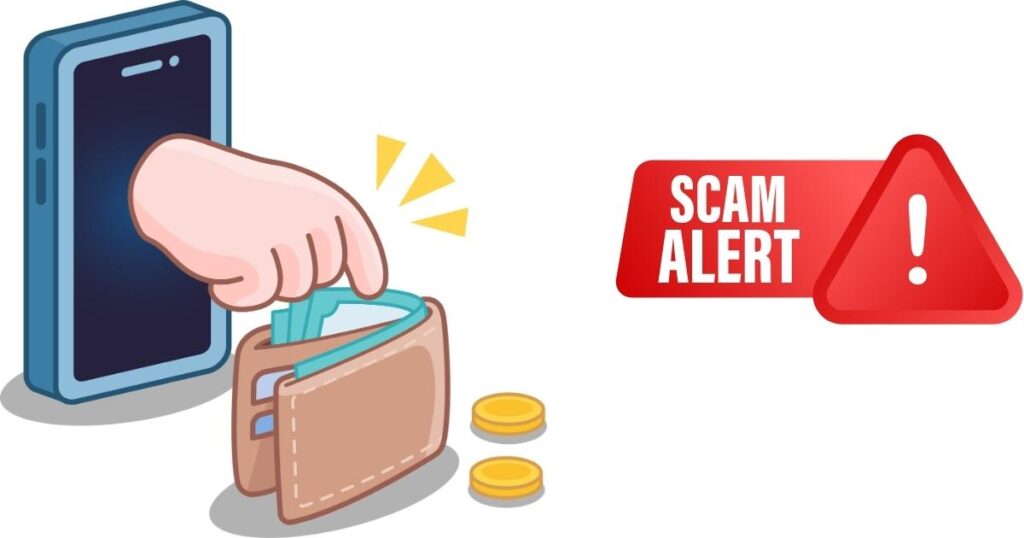
This is one of the oldest and most widespread scams targeting online sellers. The scammer pretends to have made a payment and sends you what looks like a payment confirmation message, email, or screenshot.
They often use fake banking alerts, cloned PayPal receipts, or emails that look like they came from legitimate institutions. Everything seems real, until you check your account and find that no money actually came in.
Example:
A “buyer” sends you a screenshot showing ₦50,000 or $100 sent to your account, urging you to “please send the item quickly.” Once you deliver, you realize it was all fake.
How to Stay Safe:
- Always verify payments directly from your official bank app, PayPal dashboard, or eCommerce platform, never trust screenshots or SMS messages.
- Don’t rush into shipping until you see the money reflected in your account balance.
- Avoid buyers who pressure you or insist you “trust them.”
- For expensive items, use escrow services or cash-on-delivery options to protect yourself.
2. Overpayment Scam
The overpayment scam looks polite but is actually dangerous. Here, a scammer “accidentally” sends you more money than the agreed price, then quickly asks for a refund of the excess amount.
For example, they might pay $500 for a $200 item and say, “Oops, I sent too much. Please send $300 back.” Days later, you’ll find that the payment was fake, reversed, or from a stolen card, and the “refund” you sent is real money out of your pocket.
How to Stay Safe:
- Watch for urgent messages or emotional appeals, scammers often use them to create pressure.
- Never send money back to a buyer for any reason.
- Wait until the payment fully clears in your account before shipping or refunding anything.
- If someone overpays, cancel the order and request a proper new transaction instead.
3. Chargeback Fraud (on PayPal or Card Payments)
Chargeback fraud is common on PayPal, Stripe, and other card payment systems. Here’s how it works:
A Buyer pays, for your product, receives it, and then contacts their bank or payment provider to reverse the transaction, claiming “the item never arrived” or “was not as described.” The payment platform then takes the money back from your account, even though the buyer has the product.
This type of fraud can devastate small online sellers, especially when dealing with digital goods or high-value items.
How to Stay Safe:
- Always ship with tracking numbers and proof of delivery.
- Keep detailed records of buyer communication and product photos.
- Use PayPal’s Seller Protection Program and learn its terms.
- For digital products, keep download logs and access records as proof.
- Avoid transactions outside official platforms where buyer protection is strong.
4. Identity Theft Scams
Identity theft isn’t just for buyers, sellers get targeted too. In this scam, criminals collect your personal details, business info, or bank data to impersonate you online.
They might clone your profile, steal your product photos, and set up fake stores using your name, tricking real customers and damaging your reputation.
Some scammers may even use fake “verification” messages pretending to be from your marketplace platform, asking for your login info, ID card, or payment details.
How to Stay Safe:
- Avoid using public Wi-Fi for transactions or account logins.
- Never share sensitive info like your password, ID, or bank account with anyone online.
- Always log in directly via the official platform URL or app, not links from messages or emails.
- Regularly search your store name or brand online to check for impersonation.
- Enable two-factor authentication (2FA) on all your accounts.
5. Stolen Item Scams (You as the Seller)
Sometimes, you might unknowingly sell stolen goods. This happens when a buyer (scammer) approaches you offering a deal that seems “too good to be true”, for example, selling you iPhones, laptops, or luxury items at a fraction of their market price.
Later, you find out the items were stolen, and you may face legal issues for receiving stolen property, even if you didn’t know.
How to Stay Safe:
- Only buy from reputable sources or verified sellers.
- Avoid suspiciously cheap deals.
- Ask for receipts or proof of ownership before purchasing used items.
- Keep a paper or digital trail of all transactions.
6. Swap Scam (Bait-and-Switch)
The swap scam, also called “bait-and-switch”; happens when a buyer claims that the product you sent isn’t what they ordered, even though it is. They might send back a different or damaged item, pretending it’s the one you shipped.
For instance, a scammer buys a genuine phone from you, replaces it with a broken one, and claims “you sold me a faulty product.” They then file a return request and keep your original item.
How to Stay Safe:
- Always verify return packages before issuing refunds.
- Take clear photos and videos of every product before shipping, including serial numbers.
- Record packaging and shipping processes as evidence.
- Use platforms that offer seller protection and dispute resolution.
7. Delivery Pickup Scams
In this scam, the buyer arranges a “pickup” through their supposed courier service or delivery company. They tell you that the courier will handle payment and collection. The courier; often part of the scam, shows up, collects the item, and vanishes.
You end up losing both your product and your money.
How to Stay Safe:
- For local sales, opt for cash-on-delivery in safe, public places.
- Never release items without confirming payment directly in your account.
- Avoid buyers who insist on using their own delivery service.
- If using third-party couriers, make sure it’s you who books and controls the shipment.
Mistakes Sellers Make That Attract Scammers
Many online sellers don’t realize that certain behaviors unintentionally make them easy targets. Scammers usually look for sellers who seem inexperienced, desperate to sell fast, or careless with verification.
Here are a few mistakes to avoid:
- Accepting unverified payments or trusting screenshots instead of checking your account directly.
- Sharing too much personal information, like your address, bank details, or ID; in chat messages.
- Ignoring buyer profiles – failing to check if the buyer’s account looks suspicious, new, or inactive.
- Using unsecured payment links or clicking random URLs sent by buyers.
- Skipping documentation- not keeping proof of delivery, messages, or receipts.
By avoiding these errors, you reduce your vulnerability and maintain a stronger level of security. Remember, scammers thrive on haste and carelessness; being cautious is your first defense.
How To Spot A Scammer Before They Scam You
Spotting a scammer early is the smartest way to stay safe when selling online. Most scammers follow predictable patterns, but because they often act fast and sound polite or professional, many sellers fail to recognize the warning signs until it’s too late. The good news is, there are always clues, if you know what to look for.
Before a scam even happens, scammers usually test your reaction. They may act overly eager to buy your item, offer to pay immediately, or push for quick shipping before payment confirmation. Some may even pretend to be from “trusted courier companies” or send fake verification messages claiming to come from your platform.
Recognizing these behaviors early can save you from losing your product, money, and peace of mind.
Common Red Flags to Watch For:
- They rush you to ship immediately before confirming payment.
- Their messages are generic, copied, or poorly written, sometimes using repeated phrases like “I want it now” or “I’ll send my courier.”
- They offer too much money or “accidentally” overpay and ask for a refund.
- They prefer off-platform communication such as WhatsApp, Telegram, or email instead of using the secure chat system.
- Their account is new or has little to no transaction history or feedback.
- They show unusual urgency, often using emotional tactics like “It’s a gift for my sick sister” to gain sympathy.
How to Handle Suspicious Buyers:
- Stay calm and avoid rushing into any deal.
- Politely insist on completing transactions within the platform.
- Verify all payment claims directly through your account, not screenshots.
- Block and report suspicious profiles immediately.
If you trust your instincts and pause whenever something feels “off,” you’ll prevent most scams before they even begin. Remember, a real buyer will never pressure you, avoid verification, or make you uncomfortable with their urgency. Awareness is your strongest protection in the online marketplace. Proceed with caution. Politely decline or verify every claim before taking action. Remember, a genuine buyer will never pressure you to move too fast.
How To Build Trust With Genuine Buyers Online
In a digital marketplace flooded with scams and dishonest transactions, genuine buyers also want to feel safe. Building trust with your customers not only protects your reputation but also increases your sales and encourages repeat business. A trustworthy seller stands out in the crowd, especially when so many people fear being scammed online.
The truth is, buyers are just as cautious as sellers. They want to know they’re dealing with a real person, not a fake account. If your listings, communication, and after-sales behavior reflect honesty, professionalism, and consistency, you’ll naturally attract loyal, returning buyers who recommend you to others.
Trust doesn’t happen overnight; it’s built through transparency, reliability, and a genuine focus on customer satisfaction. Every message you send, every product you package, and every transaction you complete either strengthens or weakens that trust.
Here’s how you can build lasting trust with genuine buyers online:
- Use clear and high-quality product photos: Always post real, original images of your products instead of copied or downloaded ones. Genuine visuals show professionalism and transparency.
- Be honest in your product descriptions: Don’t exaggerate or hide flaws. Buyers appreciate accurate, detailed information, it reduces disputes and boosts confidence.
- Respond quickly and politely: Fast, friendly responses make a big difference. It shows buyers that you’re active, serious, and committed to good service.
- Offer secure and familiar payment options: Platforms like PayPal, Stripe, or Cash on Delivery give buyers confidence that their money is safe.
- Maintain a clear return and refund policy: Even if you rarely get returns, having a clear policy adds credibility to your business.
- Encourage and showcase reviews: Genuine reviews from satisfied buyers are your best form of advertisement. Positive feedback builds your reputation faster than any ad.
- Be consistent: Deliver what you promise on time and in good condition. Consistency is the foundation of long-term customer relationships.
When buyers feel safe and respected, they don’t just complete one transaction, they become loyal fans of your store. Building trust is the most powerful marketing tool you can have as an online seller. It turns one-time buyers into repeat customers and transforms your brand into a trusted name in the marketplace.
Ways To Protect Yourself As An Online Seller
- Meet in daylight, public areas (like police stations)
- Bring a friend for meetups
- Use reputable platforms like eBay, Etsy, Jumia, or Amazon with built-in seller protection.
- Avoid deals that seem too good to be true- they usually are.
- Document everything- from chats to payments to delivery.
- Trust your gut- suspicious buyers usually show signs early, if something feels off, it probably is.
- Educate your customers about safe buying and selling habits, it boosts your credibility.
What To Do If You’ve Already Been Scammed Online
Even the most careful sellers can fall victim to online fraud. If it happens to you, don’t panic; take immediate steps to minimize your losses and report the scam.
Here’s what you should do right away:
- Gather all evidence – screenshots, chats, payment confirmations, and shipping receipts.
- Contact your bank or payment provider immediately to flag the transaction.
- Report the scam to the marketplace or platform (eBay, Facebook, PayPal, etc.).
- File a report with local authorities or cybercrime units if the loss is significant.
- Warn others by sharing your experience in seller groups or forums to prevent future scams.
Learning from the experience and tightening your security practices ensures it doesn’t happen again. Every scam survived is a lesson that makes you stronger and smarter in online business.
Conclusion
Online selling can be a powerful way to grow your income, but only if you stay alert. Scammers are getting smarter every day, using new tricks to target sellers across Facebook, WhatsApp, Jiji, and eCommerce platforms.
The good news? With the right awareness, you can easily spot red flags and protect yourself. Always verify payments, document every sale, use trusted platforms, and never rush a transaction.
By following these steps, you’ll not only avoid costly scams but also build a strong, trustworthy online selling reputation, the foundation of long-term success.