Bringing plants into your home is one of the simplest and most effective ways to create a healthier and more inviting living space. Not only do indoor plants add a splash of natural beauty and freshen up your decor, but many varieties also work hard behind the scenes to improve your indoor air quality.
Indoor air pollution is a common issue that can affect your health and well-being, often caused by everyday sources like cleaning products, furniture, and poor ventilation. Fortunately, certain houseplants have been scientifically proven to filter out harmful toxins and release clean oxygen, making your home a safer and more refreshing place to live.
Whether you have a spacious living room or just a cozy windowsill, there are plenty of attractive and low-maintenance plants that can thrive indoors while purifying the air around you. In this article, we’ll explore 10 beautiful indoor plants that not only look great but also help you breathe easier every day.
1. Snake Plant (Sansevieria)
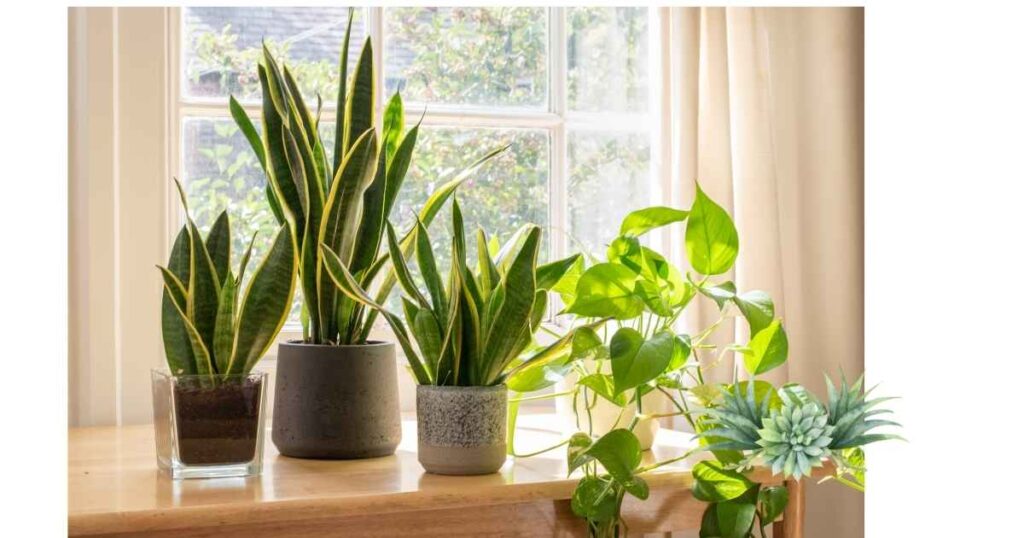
The Snake Plant, also known as Sansevieria or Mother-in-Law’s Tongue, is a favorite among indoor gardeners, and for good reason. This hardy plant is incredibly easy to care for and has powerful air-purifying qualities, making it perfect for both beginners and experienced plant lovers alike.
One of the standout features of the Snake Plant is its ability to filter out toxins like formaldehyde, benzene, and trichloroethylene, which are common indoor pollutants. What’s even better is that it can perform this air-cleaning function even at night by converting CO₂ into oxygen, helping to improve air quality around the clock, making it an excellent choice for bedrooms.
Snake Plants thrive in a variety of lighting conditions, from low light to indirect sunlight. They require very little water, only when the soil feels completely dry, making them ideal for those who may forget regular watering. Its tall, upright leaves with striking variegated patterns also add a sleek, modern touch to any room’s decor.
Avoid overwatering, as Snake Plants are susceptible to root rot. A well-draining pot and soil are essential to keep this plant happy and healthy.
2. Spider Plant
The Spider Plant is a classic indoor favorite known for its graceful, arching leaves and easygoing nature. This resilient plant is excellent at removing common indoor pollutants such as carbon monoxide, formaldehyde, and xylene, helping to keep your home’s air fresh and clean.
Spider Plants thrive in bright, indirect light but can also tolerate lower light conditions, making them versatile for different indoor spaces. They prefer well-draining soil and benefit from regular watering, keep the soil moist but avoid waterlogging. One of their most charming features is the small “baby” plants, or spiderettes, that dangle from long stems, which can be propagated easily to grow new plants.
Ideal for hanging baskets or placed on shelves, Spider Plants add a lively, airy vibe to any room while actively improving air quality. They’re also non-toxic to pets, making them a safe choice for families.
To keep your Spider Plant looking its best, occasionally trim any brown leaf tips and repot every couple of years to refresh the soil.
3. Peace Lily
The Peace Lily is not only stunning with its glossy green leaves and elegant white blooms but also a powerhouse when it comes to purifying indoor air. It effectively removes toxins like ammonia, benzene, formaldehyde, and trichloroethylene from the air, making it a popular choice for improving home and office environments.
Peace Lilies prefer low to medium indirect light, which makes them ideal for rooms with less natural sunlight. They enjoy consistently moist soil, so regular watering is key, but be careful not to overwater, as soggy soil can cause root rot. When their leaves start to droop, it’s usually a sign they need a drink.
In addition to their air-cleaning benefits, Peace Lilies also help increase indoor humidity, which can be especially helpful during dry months. Their graceful white flowers add a touch of sophistication and calm to any space, making them both functional and beautiful.
Wipe the leaves occasionally to remove dust, allowing the plant to breathe and photosynthesize more efficiently.
4. Aloe Vera
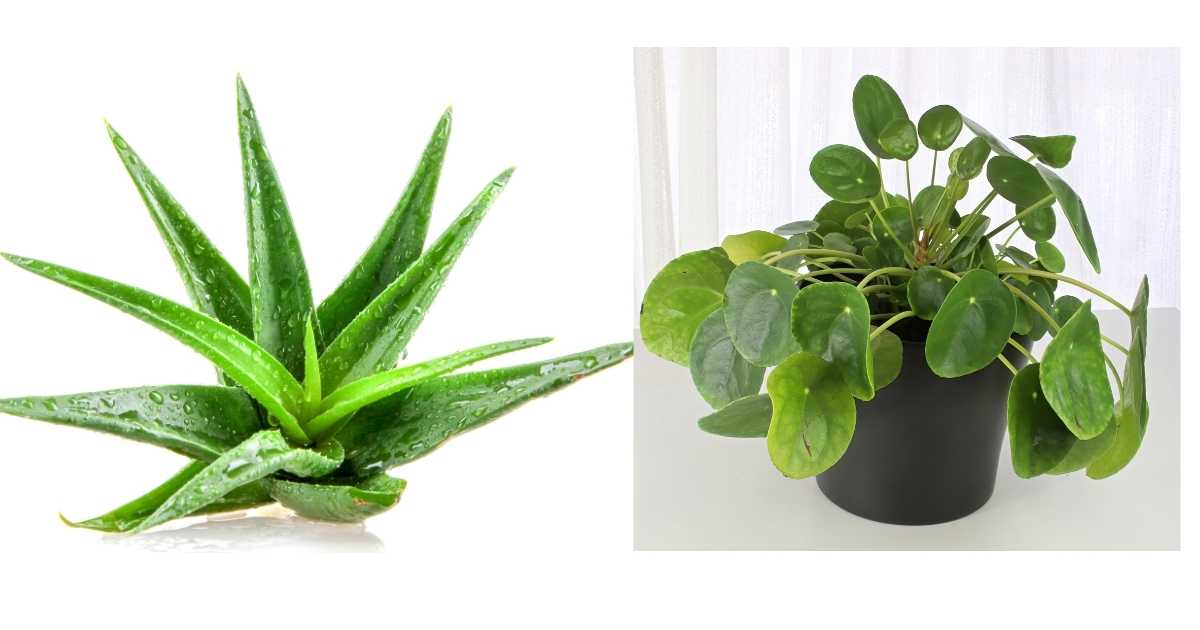
Aloe Vera is a versatile and popular indoor plant known not only for its air-purifying abilities but also for its medicinal properties. This succulent thrives in bright, indirect sunlight and can tolerate periods of neglect, making it perfect for busy or forgetful plant owners.
Aloe Vera helps remove formaldehyde and benzene from the air, common chemicals found in household cleaning products and paints. Its thick, fleshy leaves store water, so it requires infrequent watering, only when the soil is completely dry. Overwatering can lead to root rot, so well-draining soil and pots with drainage holes are essential.
Besides cleaning the air, Aloe Vera gel inside the leaves has soothing properties and is often used to treat minor burns, cuts, and skin irritations, making it a handy plant to keep around. Its unique, spiky appearance adds a touch of natural style to any room.
Place Aloe Vera near a sunny window but avoid direct scorching sunlight, which can cause the leaves to turn brown or yellow.
5. Rubber Plant (Ficus elastica)
The Rubber Plant is a striking indoor tree that brings bold, glossy foliage and excellent air-purifying benefits to your living space. Known for its large, dark green leaves with a shiny finish, it adds a dramatic, tropical vibe to any room while helping filter out airborne toxins like formaldehyde.
Rubber Plants thrive in bright, indirect light but can tolerate lower light levels, making them adaptable to various indoor conditions. They prefer well-draining soil and moderate watering, allow the top inch of soil to dry out between waterings to avoid overwatering.
One of the perks of the Rubber Plant is its relatively low maintenance, but it does benefit from occasional wiping of its leaves to remove dust and keep its shiny appearance. It can grow quite tall over time, so it’s perfect as a statement plant in a corner or near a window.
If your Rubber Plant’s leaves start yellowing or dropping, it may be a sign of overwatering or insufficient light, adjust care accordingly.
6. Areca Palm (Dypsis lutescens)
The Areca Palm, also known as the butterfly palm, is a beautiful and elegant indoor plant that not only adds a tropical feel to your space but also excels at purifying the air. This lush palm helps remove toxins such as formaldehyde, xylene, and toluene, making your home environment cleaner and healthier.
Areca Palms prefer bright, indirect light and thrive in well-draining soil. They like consistent moisture, so keep the soil evenly moist but avoid letting the plant sit in water, which can lead to root rot. This plant also benefits from occasional misting to maintain humidity, especially in dry indoor conditions.
With its feathery, arching fronds, the Areca Palm creates a sense of calm and elegance in any room. It’s a great choice for larger spaces or as a statement piece, but it can also brighten up smaller rooms when placed near a window.
Trim any yellow or brown fronds to keep your Areca Palm looking its best, and rotate the plant occasionally to ensure even growth on all sides.
7. Boston Fern
The Boston Fern is a classic indoor plant loved for its lush, feathery fronds and exceptional air-purifying qualities. It’s particularly effective at removing indoor pollutants like formaldehyde and xylene, making it a wonderful addition to any home or office looking to boost air quality.
Boston Ferns thrive in bright, indirect light and prefer consistently moist soil. They do best in humid environments, so regular misting or placing a humidifier nearby can help keep their fronds healthy and vibrant. Avoid letting the soil dry out completely, as this can cause the leaves to brown and drop.
These ferns look fantastic in hanging baskets or on shelves where their graceful, cascading leaves can be displayed. Their rich green color adds a fresh, natural vibe to any space, making them perfect for bedrooms, bathrooms, or living rooms.
To keep your Boston Fern thriving, prune dead or yellowing fronds regularly and ensure good air circulation around the plant to prevent fungal issues.
8. ZZ Plant (Zamioculcas zamiifolia)
The ZZ Plant is a remarkably tough and low-maintenance indoor plant that’s perfect for anyone looking to add greenery without much fuss. Its thick, waxy leaves store water, allowing it to survive in low light and with infrequent watering; ideal for busy homes or offices.
In addition to its stylish, glossy foliage, the ZZ Plant is known for its ability to filter toxins such as xylene, toluene, and benzene from indoor air, helping improve your home’s air quality. It thrives in low to bright indirect light but should be kept out of direct sunlight to avoid leaf burn.
Water your ZZ Plant only when the top inch of soil feels dry, as overwatering can lead to root rot. It grows slowly but steadily, making it a great long-term addition to your indoor plant collection.
Rotate your ZZ Plant occasionally to ensure even growth and dust the leaves with a soft cloth to help them breathe better.
9. Bamboo Palm
The Bamboo Palm is a graceful, tropical-looking indoor plant known for its slender, bamboo-like stems and lush green foliage. It’s highly effective at filtering out indoor air pollutants such as benzene, formaldehyde, and trichloroethylene, making it a popular choice for creating a cleaner, healthier home environment.
This palm thrives in low to medium indirect light, which means it’s perfect for rooms that don’t get a lot of direct sunlight. It prefers well-draining soil that stays consistently moist, so regular watering is important, but be careful not to let the roots sit in water.
Bamboo Palms add height and elegance to any space, fitting well in corners or next to furniture without overwhelming the room. Their delicate fronds bring a sense of calm and natural beauty to indoor spaces.
Wipe the leaves occasionally to keep them dust-free and encourage healthy growth. Also, increase humidity by misting during dry months for optimal plant health.
10. Pothos (Devil’s Ivy)
Pothos, also known as Devil’s Ivy, is one of the most popular and easiest indoor plants to grow. With its trailing vines and heart-shaped leaves, it adds a lush, vibrant touch to any room, whether placed on shelves, in hanging baskets, or trained to climb.
Beyond its beauty, Pothos is a powerhouse when it comes to purifying indoor air. It effectively removes toxins such as formaldehyde, benzene, and xylene, helping to improve the air quality in your home or office. It’s highly adaptable and thrives in a wide range of lighting conditions; from low light to bright indirect light, making it perfect for almost any indoor space.
Pothos requires minimal care; simply water when the top inch of soil feels dry, and avoid overwatering to prevent root rot. Its fast growth means you can easily propagate cuttings to share with friends or expand your indoor jungle.
Trim your Pothos regularly to encourage bushier growth and prevent the vines from becoming too leggy.
Conclusion
Indoor plants are a beautiful and natural way to enhance your living space while promoting healthier air quality. Whether you choose the tough and stylish Snake Plant, the lush Boston Fern, or the ever-popular Pothos, these easy-to-care-for plants bring life, freshness, and a calming vibe to any room.
Adding just a few of these green companions can make a noticeable difference in how your home feels and breathes. Plus, nurturing plants can be a rewarding hobby that helps reduce stress and boosts your mood. So why not start your indoor garden today? Your home, and your health; will thank you for it!
Frequently Asked Questions (FAQs)
1. Do indoor plants really improve air quality?
Yes! Many indoor plants can filter harmful toxins from the air and increase oxygen levels, making your home healthier and fresher.
2. Which indoor plants are best for beginners?
Plants like Snake Plant, Pothos, and ZZ Plant are low-maintenance and great for beginners.
3. How often should I water indoor plants?
It varies by plant, but most indoor plants prefer watering when the top inch of soil feels dry. Overwatering can harm plants, so it’s best to avoid soggy soil.
4. Can indoor plants survive in low light?
Some plants like Snake Plant, ZZ Plant, and Pothos tolerate low light well, but most thrive in bright, indirect sunlight.
5. Are these plants safe for pets?
Some indoor plants can be toxic to pets. For example, Pothos and Peace Lilies are toxic if ingested, so keep them out of reach of curious pets.
6. How do I prevent pests on indoor plants?
Regularly inspect your plants for pests, keep leaves clean, and use natural remedies like neem oil if needed.
7. Can I grow these plants outdoors?
Many of these plants can grow outdoors in warm, humid climates but generally thrive indoors in temperate areas.
8. How long do indoor plants live?
With proper care, indoor plants can live for many years, some even decades!
9. Do indoor plants need fertilizer?
Yes, feeding your plants with balanced, diluted fertilizer during the growing season helps keep them healthy and vibrant.
10. How do I propagate indoor plants?
Many indoor plants like Pothos and Spider Plant can be propagated easily from cuttings or plantlets.