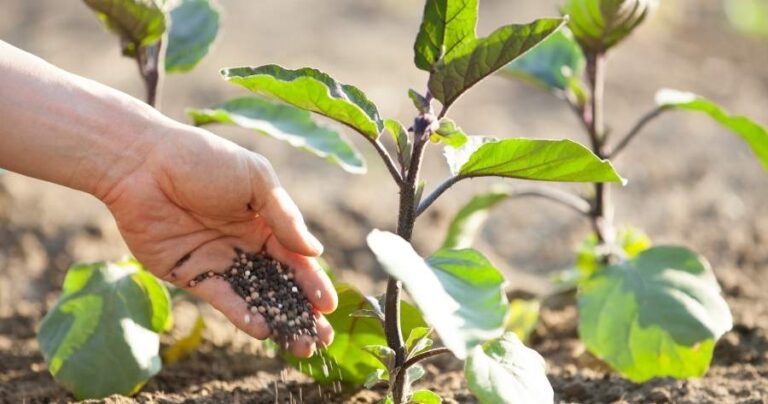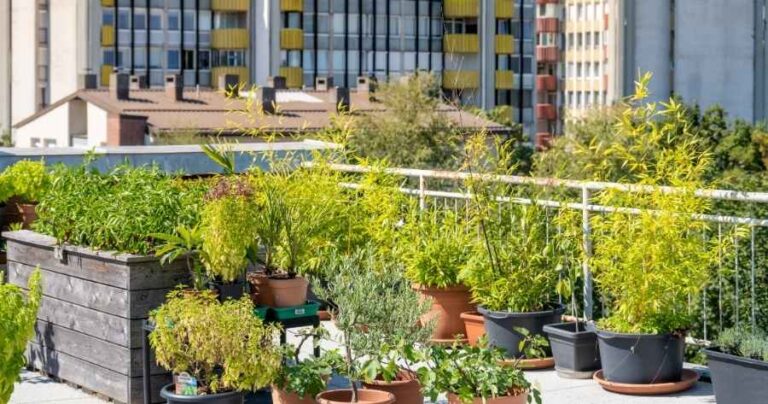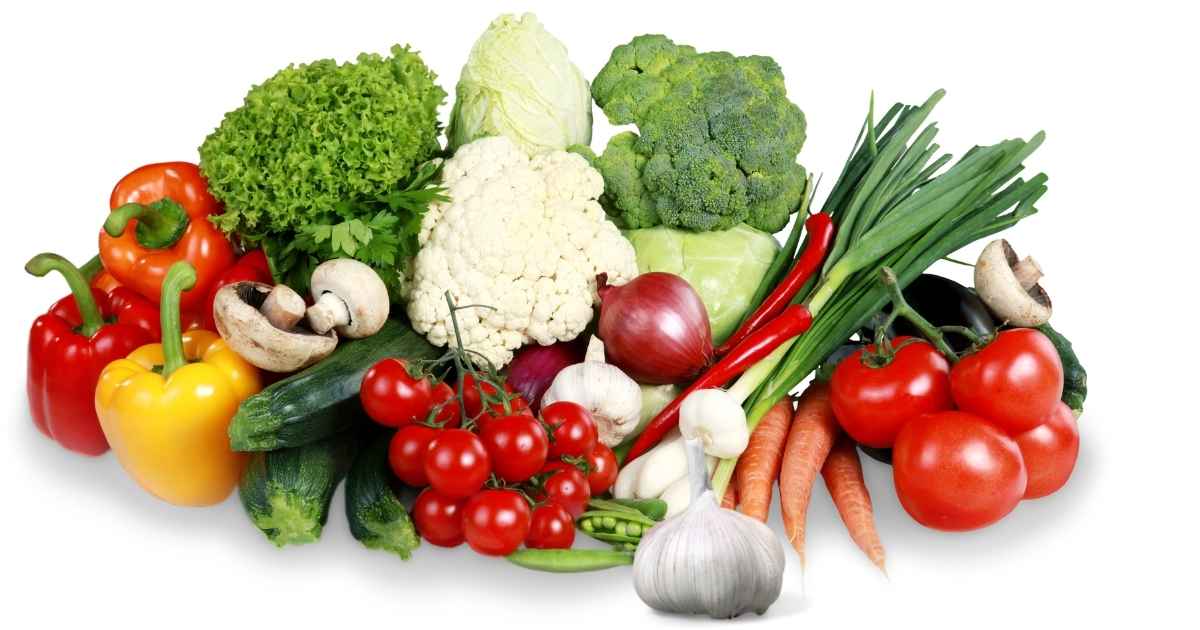
Have you ever dreamed of picking fresh vegetables right from your backyard, balcony, or even windowsill? The truth is, you don’t need to be an expert gardener; or even have a large garden, to grow your own food. With a little care and the right plants, anyone can start a home garden and enjoy fresh, organic produce all year round.
Growing your own vegetables is not only rewarding but also saves money and ensures you know exactly what’s going into your food. Whether you live in a house with a spacious yard or an apartment with just a few pots, there are plenty of vegetables that thrive easily with minimal effort.
In this article, we’ll look at 10 of the easiest vegetables to grow at home; perfect for beginners and busy people who want fresh greens without the stress. From quick-growing lettuce to hardy tomatoes and flavorful herbs, these plants are simple to maintain and can turn your home into a mini farm in no time.
1. Lettuce
Lettuce is one of the easiest and fastest-growing vegetables you can plant at home. It’s a great choice for beginners because it doesn’t need much space or constant attention. You can grow lettuce in pots, containers, or directly in the ground, and it does well both indoors and outdoors.
Lettuce loves cool weather, so it thrives best in spring and fall. If you live in a warmer climate, keep your plants in a shaded area or use partial sunlight to prevent them from wilting. The soil should be moist but not soggy, watering lightly every day or every other day usually works best.
Another great thing about lettuce is that you don’t have to wait long to harvest. Within 4–6 weeks, you can start picking the outer leaves while letting the inner ones continue to grow. This “cut-and-come-again” method means you’ll have a steady supply of fresh, crispy leaves for salads and sandwiches all season long.
Mix different varieties like romaine, butterhead, and loose-leaf for colorful salads and a variety of textures.
2. Carrots
Carrots are another beginner-friendly vegetable that can easily thrive in home gardens or containers. They don’t take up much space and can be grown almost anywhere with loose, well-drained soil. The key to growing healthy carrots is giving their roots room to stretch, so avoid compacted soil and make sure your container or garden bed is at least 12 inches deep.
Carrots love sunlight, so aim for a spot that gets at least 6 hours of direct light daily. Water regularly to keep the soil evenly moist, especially during the early growth stage. However, avoid overwatering as it can cause the roots to split or rot.
In about 60–80 days, your carrots will be ready for harvest. You’ll know it’s time when the tops of the roots start peeking slightly above the soil surface. Gently pull them out, rinse, and enjoy the sweet, earthy flavor of your homegrown carrots.
For best results, plant carrots in early spring or late summer. You can also mix in compost before planting to encourage faster and healthier growth.
3. Peppers (Bell or Chili)
Peppers; whether sweet bell peppers or spicy chili varieties, are vibrant, easy-to-grow plants that add color and flavor to your garden and kitchen. They thrive in warm weather and are perfect for growing in pots, garden beds, or even small containers on a sunny balcony.
Peppers need plenty of sunlight, ideally 6–8 hours a day, and prefer well-draining soil rich in organic matter. Before planting, mix compost or aged manure into the soil to give them a nutrient boost. Keep the soil consistently moist but not waterlogged, watering once every few days usually works well, depending on your climate.
One of the best things about peppers is that they produce a generous harvest. Once the plants start flowering, you can expect fruits within 8–10 weeks. Bell peppers turn from green to red, yellow, or orange as they mature, while chili peppers change from green to fiery red when ripe.
Harvesting peppers early (while still green) encourages more fruit production. If you prefer a sweeter or hotter flavor, let them fully ripen on the plant before picking.
4. Green Onions (Spring Onions)
Green onions, also known as spring onions or scallions, are among the easiest and most rewarding vegetables to grow at home. They don’t need much space, grow quickly, and can even be regrown multiple times from kitchen scraps, making them perfect for beginners and small-space gardeners.
You can grow green onions directly from seeds or from the white bulb ends of store-bought ones. Simply place the bulbs in a cup of water so that the roots are submerged and leave them on a sunny windowsill. Within a few days, you’ll notice fresh green shoots sprouting. Once they grow a few inches tall, transfer them into soil for stronger, long-lasting growth.
Green onions love full sun but can also tolerate partial shade. Keep the soil moist, not soggy, and you’ll be harvesting crisp, flavorful shoots in as little as 3–4 weeks. You can snip the greens as needed, and they’ll keep growing back for several rounds.
For a continuous supply, plant new bulbs every few weeks. Green onions are perfect for garnishing soups, salads, and stir-fries straight from your garden!
5. Tomatoes
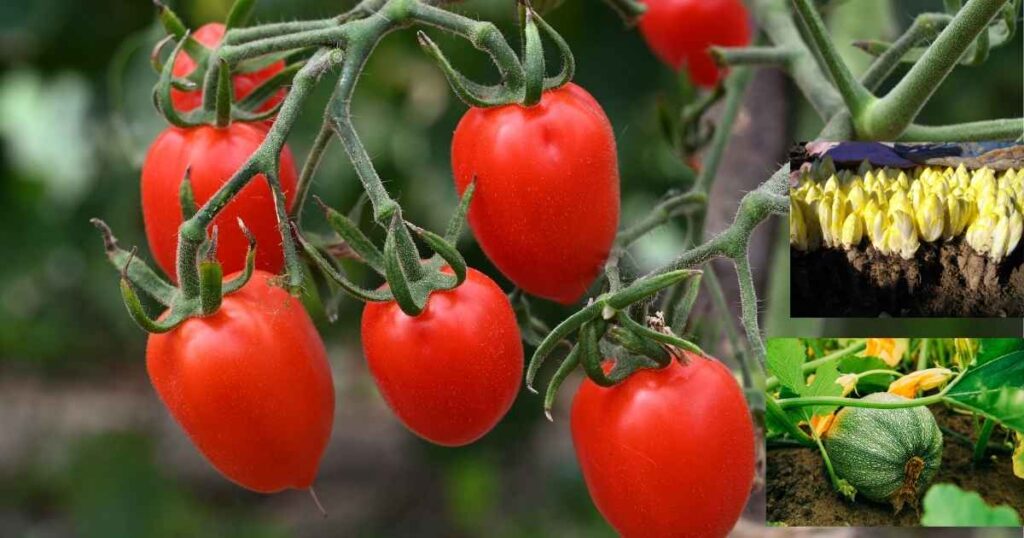
Tomatoes are a favorite among home gardeners, and for good reason. They’re delicious, versatile, and surprisingly easy to grow, even in small spaces. Whether you choose cherry, plum, or large slicing varieties, tomatoes thrive both in garden beds and containers, as long as they get enough sun and water.
Tomatoes love warm weather and full sunlight, so aim for at least 6–8 hours of direct sun daily. Use rich, well-draining soil mixed with compost or organic fertilizer to support healthy growth. Keep the soil evenly moist but avoid overwatering, as soggy soil can lead to root rot.
Once your plants start producing, you’ll notice small green fruits that gradually ripen into red, yellow, or orange depending on the variety. Most tomato plants start bearing fruit within 8–10 weeks after planting. Regularly pruning the lower leaves and providing support with stakes or cages will help your plants grow stronger and produce more fruit.
Pinch off the small shoots (called suckers) that appear between the main stem and branches. This helps the plant focus its energy on growing bigger, juicier tomatoes.
6. Cucumbers
Cucumbers are fast-growing, refreshing, and perfect for warm-weather gardening. Whether you prefer the crunchy salad type or smaller pickling varieties, cucumbers are among the easiest vegetables to grow at home. They can be planted directly in the soil or in large containers, making them ideal for both backyard gardens and balconies.
Cucumbers love sunshine and warmth, so choose a sunny spot that gets at least 6 hours of sunlight daily. Use rich, well-draining soil and water regularly, cucumbers need consistent moisture to stay juicy and tender. To save space and promote better air circulation, train the vines to climb on a trellis or stake. This also keeps the fruits clean and easier to harvest.
You can start harvesting cucumbers in 6–8 weeks, depending on the variety. Pick them while they’re still firm and bright green, leaving them too long on the vine can cause bitterness. The more you harvest, the more the plant will produce, giving you a steady supply all season long.
Mulch around the base of your cucumber plants to retain moisture and prevent weeds. Regular watering is key to avoiding bitter-tasting cucumbers.
7. Potatoes
Potatoes are a staple vegetable that’s surprisingly easy to grow at home, even if you don’t have a large garden. They can thrive in garden beds, large containers, or specially designed potato bags, making them a versatile option for almost any space.
To grow potatoes, start with seed potatoes or small potato pieces that have at least one “eye” (a sprouting bud). Plant them in loose, well-draining soil about 4 inches deep, spacing each piece 12 inches apart. As the plants grow, mound soil around the stems to encourage more tuber development and protect the growing potatoes from sunlight.
Potatoes prefer full sun and well-drained soil rich in organic matter. Keep the soil consistently moist but avoid waterlogging, which can cause rot. Depending on the variety, potatoes take between 70–120 days to mature. You’ll know they’re ready to harvest when the plant’s leaves start to yellow and die back.
Harvest new potatoes early by gently digging around the plant about 8 weeks after planting. For full-sized potatoes, wait until the foliage completely dies back.
8. Spinach
Spinach is a nutrient-packed leafy green that’s incredibly easy to grow at home, even if you’re short on space. It grows quickly and thrives in cooler temperatures, making it perfect for spring and fall gardening.
Spinach prefers partial to full sunlight and well-drained, fertile soil rich in organic matter. Keep the soil consistently moist to encourage tender, flavorful leaves. You can sow seeds directly in your garden bed or containers, spacing them about 2 inches apart.
Within 4 to 6 weeks, your spinach will be ready to harvest. For a continuous supply, pick the outer leaves regularly, allowing the inner leaves to keep growing. Spinach is perfect for salads, smoothies, or cooking, making it a versatile addition to your home garden.
To prevent bolting (going to seed too early), keep your spinach well-watered and try to provide some shade during hot weather.
9. Bush Beans
Bush beans are a fantastic choice for home gardeners looking for an easy, low-maintenance vegetable. Unlike pole beans that need support, bush beans grow in compact, bushy plants that don’t require staking or trellising, making them perfect for small spaces and container gardening.
These beans thrive in full sun with at least 6 hours of direct sunlight daily and prefer well-draining, fertile soil. Plant the seeds about 1 inch deep and space them 2 to 4 inches apart. Keep the soil evenly moist but avoid overwatering to prevent root rot.
Bush beans mature quickly, usually within 50 to 60 days, and produce a generous harvest of tender, crisp beans. Harvest regularly by picking the beans when they are about 4 to 6 inches long. Frequent harvesting encourages the plant to produce more beans throughout the growing season.
For continuous harvests, sow bush bean seeds every few weeks during the growing season. They’re a great addition to salads, stir-fries, or simply steamed as a side dish.
10. ZucchiAni (Courgette)
Zucchini, also known as courgette, is a fast-growing, productive vegetable that’s perfect for beginner gardeners. It thrives in warm weather and can be grown easily in garden beds or large containers, producing abundant harvests throughout the season.
Zucchini plants love full sun, aim for at least 6 to 8 hours of direct sunlight daily, and prefer rich, well-draining soil that’s kept consistently moist. Water deeply and regularly to encourage strong growth and prevent the fruit from becoming bitter or tough.
You can expect to start harvesting zucchini in as little as 45 to 60 days after planting. Pick the fruits when they’re about 6 to 8 inches long for the best texture and flavor. Regular harvesting encourages the plant to produce even more zucchinis all season long.
To prevent powdery mildew and other common diseases, avoid overhead watering and provide good air circulation around your plants by spacing them properly.
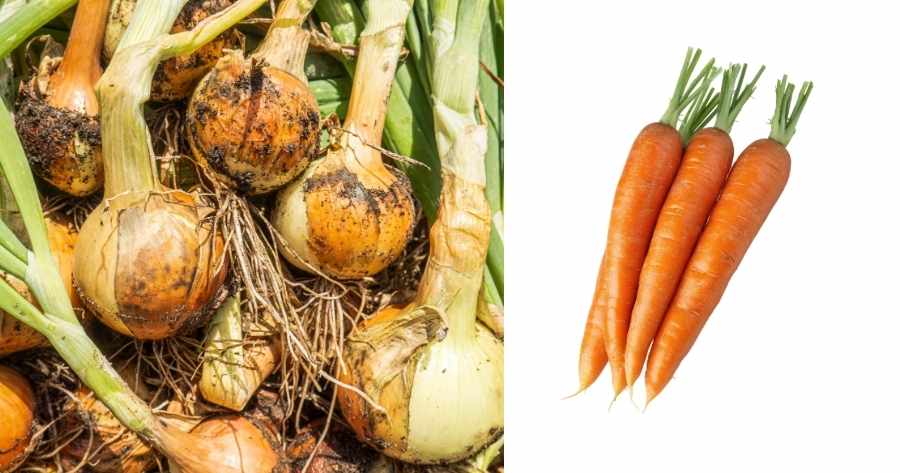
Tips For Beginner Gardeners
Starting a vegetable garden at home can be exciting but also a bit overwhelming if you’re new to gardening. Here are some simple tips to help you get off to a great start and enjoy the process:
- Start Small: Begin with just a few easy-to-grow vegetables, like lettuce, green onions, or bush beans. This helps you learn without feeling overwhelmed.
- Choose the Right Location: Most vegetables need at least 6 hours of sunlight daily. Pick a spot that gets plenty of natural light and has good air circulation.
- Use Quality Soil: Healthy soil is the foundation of a thriving garden. Use well-draining soil enriched with compost or organic matter for the best results.
- Water Consistently: Keep the soil evenly moist but avoid overwatering. Early morning watering is best to prevent disease and help plants absorb moisture efficiently.
- Start Seeds Indoors (Optional): For plants like tomatoes and peppers, starting seeds indoors a few weeks before the last frost can give your garden a head start.
- Mulch Your Garden: Adding mulch around your plants helps retain moisture, suppress weeds, and regulate soil temperature.
- Be Patient: Gardening takes time and care. Plants may not always grow perfectly, but each season is a learning experience.
- Keep an Eye Out for Pests: Check your plants regularly for signs of pests or diseases. Early detection and natural remedies can save your crops.
- Harvest Regularly: Picking vegetables at the right time encourages more growth and keeps your garden productive.
- Have Fun: Gardening is a rewarding hobby that connects you with nature. Enjoy the process and celebrate your successes, no matter how small!
Conclusion
Growing your own vegetables at home doesn’t have to be complicated or time-consuming. With the right choices and a little care, anyone can enjoy the fresh taste and satisfaction that comes from harvesting food straight from their garden. Whether you have a spacious backyard or just a sunny windowsill, these 10 easy-to-grow vegetables are perfect for beginners and seasoned gardeners alike.
Start small, stay consistent, and watch your home garden flourish with vibrant greens, crunchy carrots, juicy tomatoes, and more. There’s no better feeling than biting into a vegetable you nurtured yourself; so why not give it a try today? Your body, wallet, and taste buds will thank you!
Frequently Asked Questions (FAQs)
1. How much space do I need to start a vegetable garden at home?
You don’t need much space at all! Many vegetables, like lettuce, green onions, and bush beans, grow well in pots or small containers on a balcony or windowsill.
2. How often should I water my vegetable plants?
Most vegetables prefer consistent moisture but dislike soggy soil. Water early in the morning and check soil moisture regularly, typically, watering every 2-3 days works well, but it depends on your climate.
3. Can I grow vegetables indoors?
Yes! Many vegetables, especially leafy greens like lettuce and herbs, grow well indoors near a sunny window or under grow lights.
4. When is the best time to start planting vegetables?
It depends on your local climate, but generally, early spring or late summer are ideal times. Some vegetables prefer cooler weather, while others thrive in warmth.
5. Do I need to use fertilizers or compost?
Using compost or organic fertilizers enriches your soil, giving your plants the nutrients they need to grow healthy and strong. It’s highly recommended, especially for container gardening.
6. How do I prevent pests in my home garden?
Regularly inspect your plants, use natural pest deterrents like neem oil or companion planting, and remove affected leaves or plants to keep pests at bay.
7. How long does it take for vegetables to grow?
Growth times vary by vegetable, lettuce and spinach can be ready in about a month, while potatoes and tomatoes may take several months. Check seed packets or plant tags for specific timelines.
8. Can I regrow vegetables from kitchen scraps?
Yes! Green onions and lettuce are easy to regrow from scraps by placing the base in water until they sprout roots and new shoots.
9. What’s the easiest vegetable for absolute beginners?
Lettuce, green onions, and bush beans are some of the easiest and fastest-growing vegetables to get started with.
10. How do I know when vegetables are ready to harvest?
Each vegetable has signs of maturity, like carrots showing root tips, tomatoes changing color, or beans reaching the right length. Harvesting at the right time ensures the best flavor and texture.